
Putin Rejected Ukraine’s Two Interconnected Ceasefire Requests With Good Reason

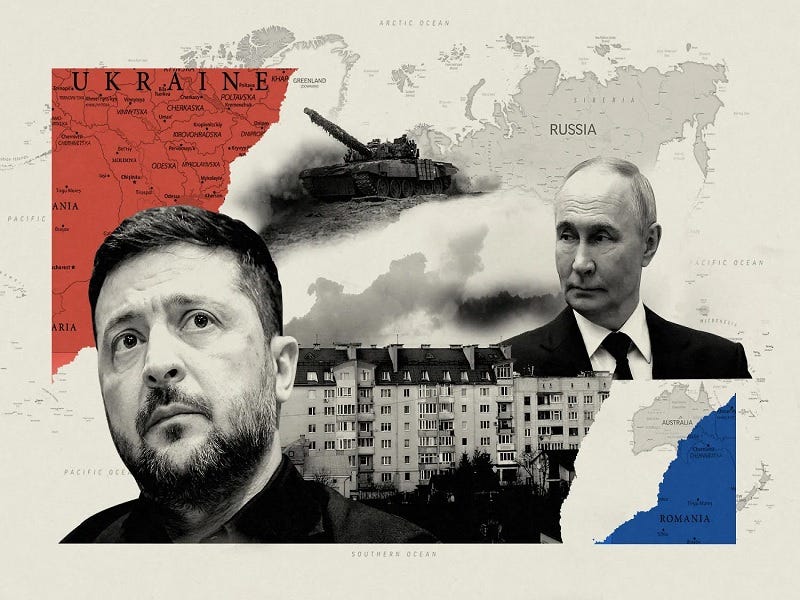
Russia’s long-range strikes are far more destructive than Ukraine’s so ceasing them would grant Kiev a reprieve, just like limiting combat operations to the four disputed territories along the frontline would enable Kiev to redeploy troops to there from elsewhere, both of which would help Kiev avert a crisis.
It was recently assessed that “Putin Rejected Zelensky’s Request For A Bilateral Meeting With Good Reason”, and likewise, Putin also rejected Ukraine’s two interconnected ceasefire requires with good reason too. He disclosed them during a conversation with a Russian journalist in late June. According to him, they concerned ceasing long-range strikes and limiting combat operations on the four disputed territories along the frontline. Putin then shared his rationale for rejecting these requests.
As for the first, he said that “Our retaliatory strikes deep inside Ukrainian territory are far more powerful, more effective and, frankly, more destructive, resulting in genuinely serious consequences for the Kiev regime.” Regarding the second, his explanation was that “If we were to agree, it would allow the Ukrainian armed forces to redeploy troops from the Nikolayev, Dnepropetrovsk, Kharkov and Sumy regions, as well as from certain sections of the state border, to reinforce those four regions.”
Putin added that “Given the Ukrainian armed forces’ catastrophic manpower shortage, they apparently believe this could provide them with a lifeline. But rescuing the Kiev regime is not part of our plans.” These are all good reasons to reject Ukraine’s two interconnected ceasefire requests just like it was a good reason to reject Zelensky’s request for a bilateral meeting until he’s ready to sign a peace deal. About that, it’s anyone’s guess when it might happen, since Trump is now “escalating to de-escalate”.
It was explained here why that is and here how he plans to do so, which boils down to him sensing weakness from Putin after mistaking his restraint in the conflict as such, and that’s why he now believes that he can coerce resource-related concessions from him through an intense “war of attrition”. Zelensky’s ongoing 40-day influence operation is expected to see the ramping up of Ukrainian strikes against Russia with the intent of turning the population against Putin and in favor of peace at any cost.
That goal won’t succeed, but the damage might pile up, including to civilians, both directly as regards casualties and indirectly with respect to the inconveniences that they might experience amidst possible fuel shortages for example. This in turn is meant to make them resent that Putin rejected Ukraine’s two interconnected ceasefire requests, but the most radical form that it could take for most is them voting for the communist or nationalist opposition in protest during September’s next Duma elections.
What’s most important from the perspective of Russia’s national interests, as understood by everything that Putin has articulated about them in the special operation’s context up until this point, is that he at least stays the course or – even better yet – seriously considers maximally escalating to decisively win. There’s no reason to expect that he’ll flip-flop under the unprecedented pressure that Russia might soon come under from US-backed Ukrainian strikes before the elections into accepting one or both ceasefires.
That said, he’s thus far resisted maximally escalating to decisively win, which can be attributed to his continued belief that Ukrainians are still a fraternal – if nowadays wayward – people who shouldn’t be inconvenienced nor endangered if Russia can help it as explained here. Looking forward, while some Russians might resent that he just rejected Ukraine’s two ceasefire requests with good reason, Putin is expected to stay the course, and it’ll likely be widely concluded later on that this was the right decision.
Great quotes from Putin, thanks Andrew. Putin is simply aiming toward a future order where US/NATO will be unable to move into Ukraine. He said before that it is OK for Ukraine to join EU but I am not sure he will keep this promise. It would be extremely counterproductive for Russian interests on the long run. So the struggle goes on until Russian interests prevail or Russia is beaten into submission. The second option is rather unlikely.
This situation always reminds me of reading about the Battle of Pharsalus. Pompey wanted to avoid a pitched battle and win a war of attribution against Ceasar, even though Pompey had a numerical advantage in troops and material. Cato and the other nobles who fled Rome with Ceasar continually pushed Pompey to meet Ceasar's legions on the field of battle and settle the issue. When Pompey did - against his better budgment - the Republic died.
I think Putin has to reflect on that historical event as well every time he's pushed hard towards "escalating to deescalate" (which I'm guilty of preferring as well).